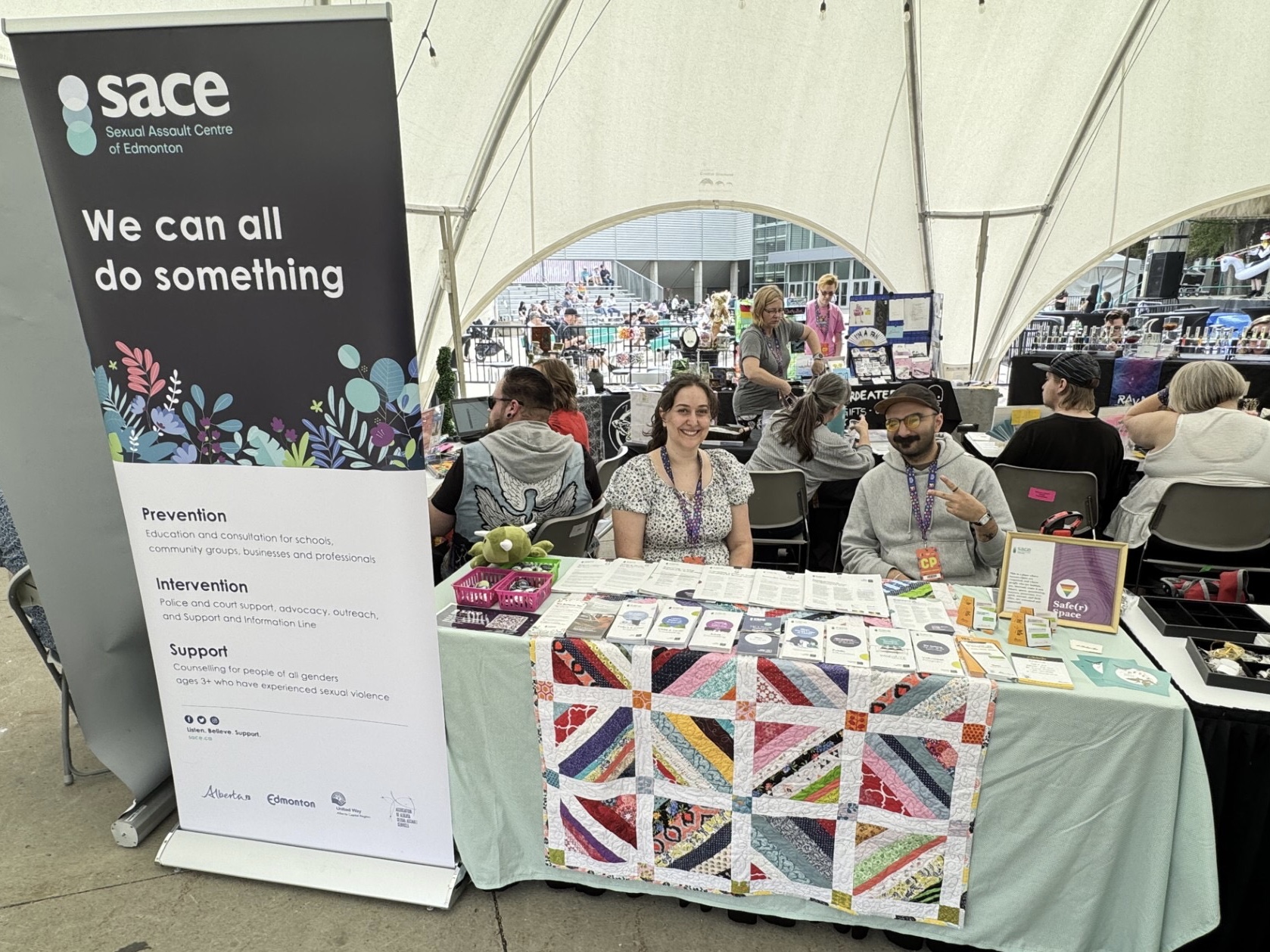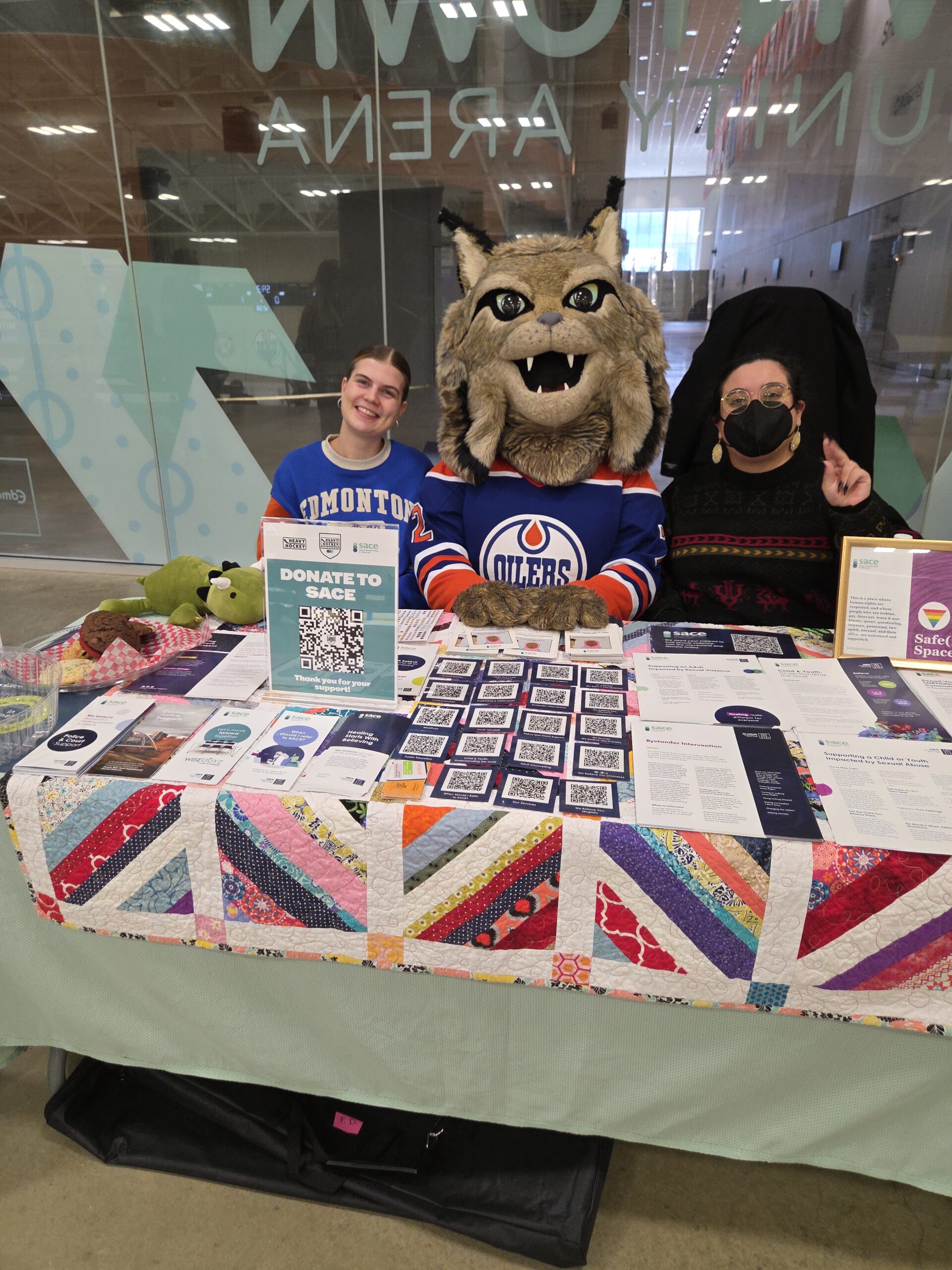











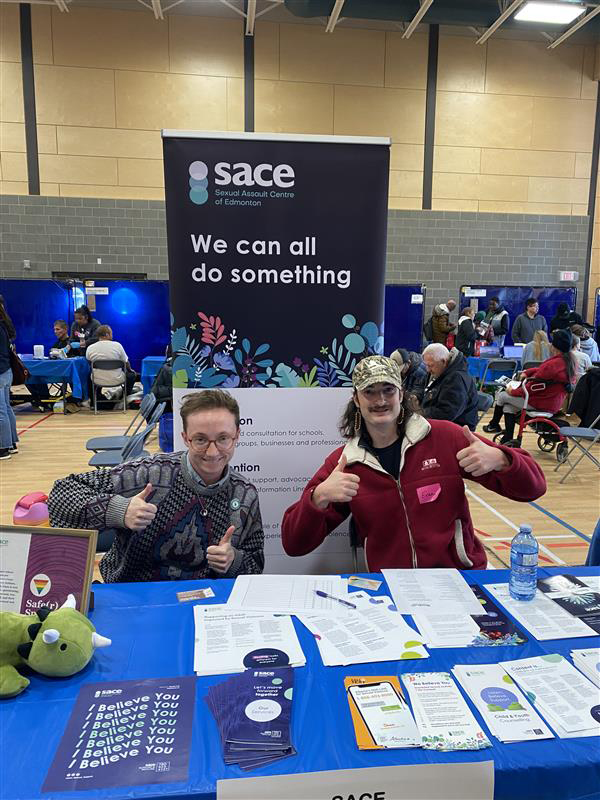
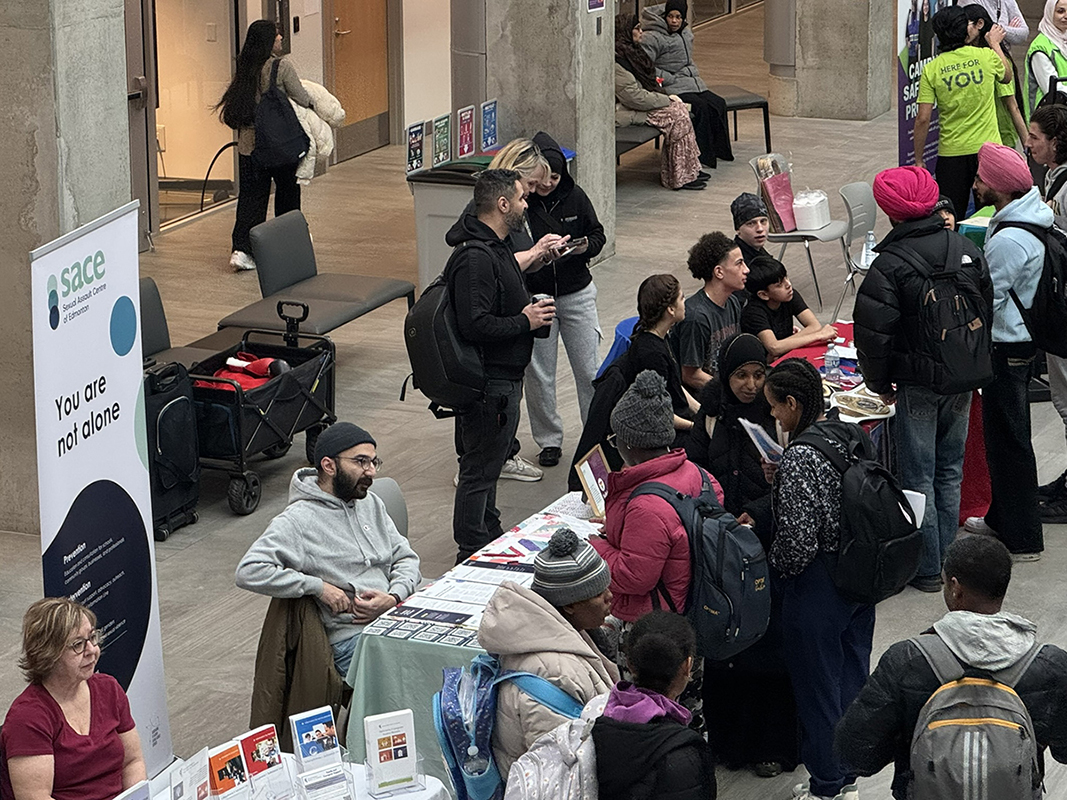
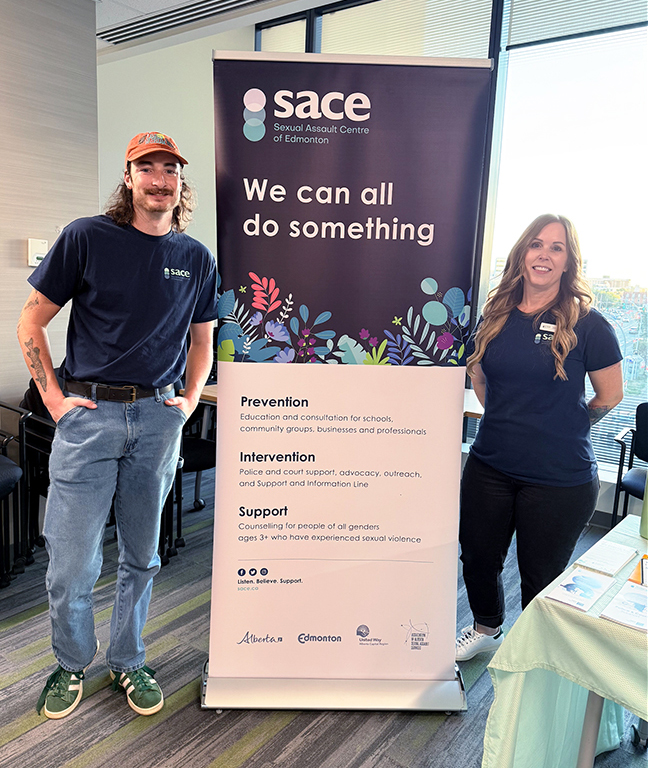

While the impact of community events and outreach work can’t always be captured in terms of the number of people we reached or supported, this chart illustrates the number of people we served in the 2025-2026 year, and the ways we supported the Edmonton community across our range of services.
*You can hover over the end of each bar or over the audiences at the bottom of this graph to get the specific numbers for each audience, including those too low to display in the bar graph.
No Data Found
SACE delivers online and in-person education and support services for people in the Edmonton and surrounding region, and across Alberta.
Some of the communities we serve each year: Edmonton, Sherwood Park, St. Albert, Spruce Grove, Stony Plain, Alexis Nakota Sioux First Nation, Banff, Barrhead, Beaumont, Bon Accord, Camrose, Devon, Edson, Enoch Cree Nation, Evansburg, Fort Saskatchewan, Garrison Military Base, Hinton, Lac la Biche, Leduc, Morinville, Parkland County, Pigeon Lake, Slave Lake, Strathcona County, Sturgeon Country, Swan Hills, Valleyview, Warburg, Westlock, Wetaskiwin, and Whitecourt.
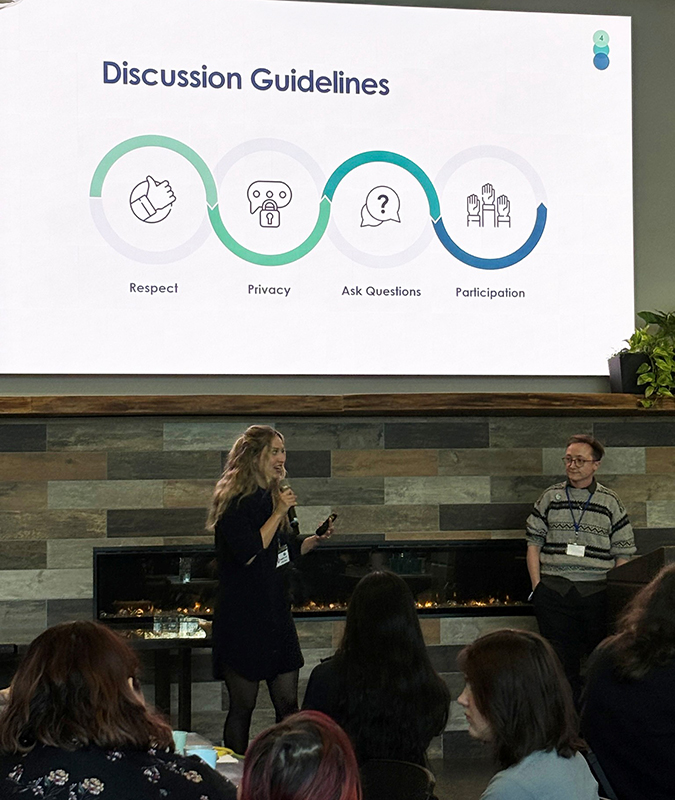
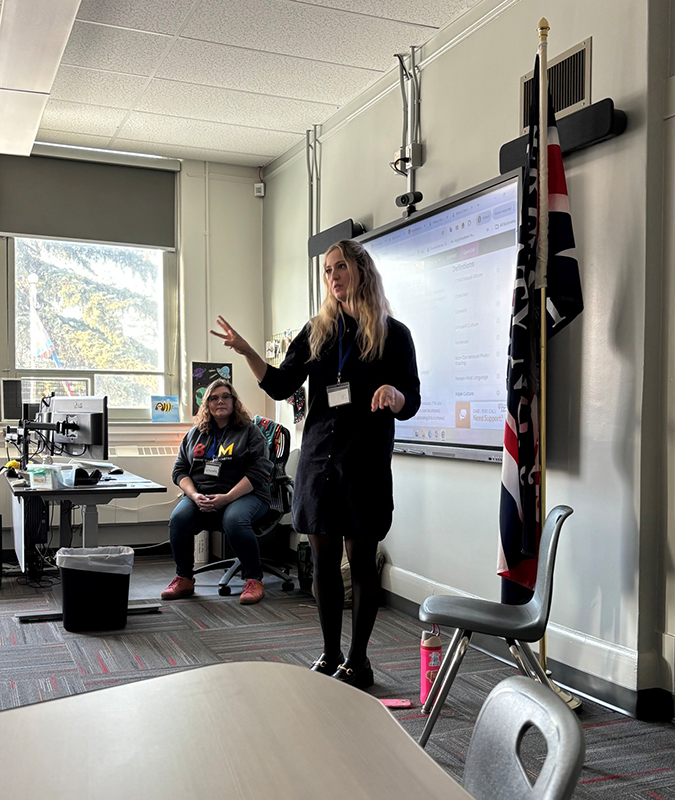
This year started with receiving approval from the Government of Alberta’s Minister of Education, through the Education Amendment Act, to resume delivery of our youth presentations in junior high schools. Once approval notice was given, our team was able to begin facilitation immediately. This was due in part to the ongoing curriculum adaptations we make, and to the positive relationships we maintained with school principals, teachers, and administrators throughout the approval process. As a longtime third-party vendor, SACE stayed in constant contact with school staff to preserve the positive relationships made throughout our many years of education facilitation across the Edmonton area. The Public Education (PE) team has been very busy facilitating these presentations, with most schools booking three or more presentations to make up for lost time. The PE team did an amazing job providing our services within a condensed timeframe and meeting the demand from Edmonton schools.
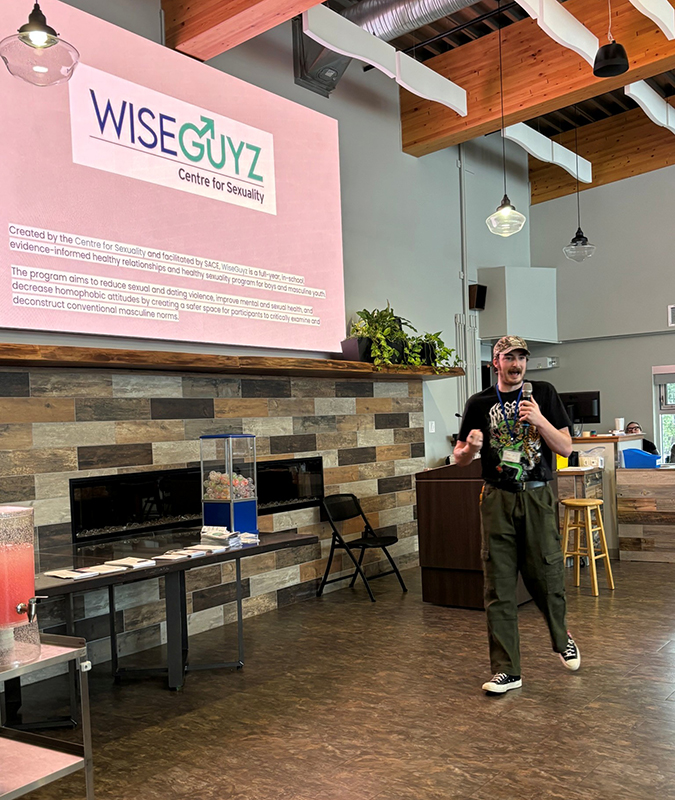
The WiseGuyz (WG) team has also continued to demonstrate innovation and adaptability in response to the Education Amendment Act legislation changes around engaging with students in school settings. In anticipation of a shorter WG facilitation year, the team adapted the curriculum to be able to meet the needs of students and maintain curriculum integrity and structure while adhering to new legislative processes. This primarily involved adjusting module schedules and delivery, in conjunction with varying approval timelines as set by the Ministry of Education.
While awaiting approval, the WiseGuyz team received an outpouring of support from school staff and parents. This response highlights the value that schools and families place on WiseGuyz and the important role the program plays in their communities
Another success this year: the WiseGuyz team was able to facilitate the full WiseGuyz program at maskêkosak kiskinomâtowikamik School on Enoch Cree Nation. Since this school falls outside of Alberta Education’s jurisdiction, the WiseGuyz team does not face the same learning and teaching resource approval process. This year also marked an important milestone as this was the fourth year we facilitated the program at the school, which means that every male student from Grades 9 – 12 has received WiseGuyz education. A group of students from last year’s WiseGuyz group came to the facilitator to say hello and shared times when they used the information from WiseGuyz in their everyday life. This included using the assertive communication formula and other techniques taught. Previous WiseGuyz students from this school also told the current students to “listen to the facilitator, this stuff is important.” This demonstrates the value that WiseGuyz graduates put on the content, and illustrates the rapport that the facilitators built with previous groups. Ongoing connections with student populations like this is an incredible step forward towards fostering long-term change and creating cultures of consent.
2025-2026
Education Topics
This year, the SACE Counselling team is incredibly proud of the work done through the Wîwîp’son Healing Circle for Indigenous Women, a closed therapeutic group for Indigenous women (trans and Two-Spirit inclusive) who have experienced sexual abuse and/or assault, whether as children or as adults.
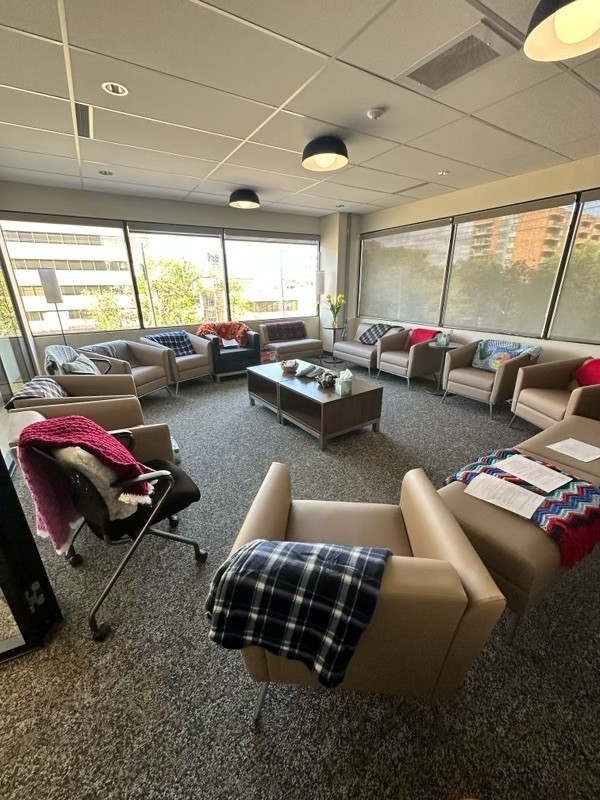
Wîwîp’son is facilitated at the SACE office where, to reduce barriers, clients are provided with a healthy hot meal as well as bus tickets, parking subsidies, and/or childcare subsidies as needed. In line with the holistic teachings of the Four Aspects of Self the groups are structured in a way that honours this view of healing. The outline for the group is as follows:
Each session begins with a smudge and prayer, and includes a combination of psychoeducation, cultural teachings, and sharing circles. Participants are also offered the opportunity to schedule time between sessions with any of the group facilitators for additional support, including our Auntie or Elder. Facilitating ongoing access to Elders is an important part of carrying forward the work of Wîwîp’son to foster ongoing connection to culture and community in the lives of participants. The work of rebuilding one’s life cannot be contained to 10 weeks, and therefore access to ongoing spiritual support may be a crucial part of ongoing recovery and healing for Wîwîp’son participants.
This group arose out of the identified need to increase access to cultural teachings and connection for Indigenous women. Throughout the five years that SACE has offered Wîwîp’son, feedback has consistently been positive, with many participants sharing how transformative and healing the group has been for them. One participant went so far as to suggest that communities across Canada should adopt the structure that SACE uses for this group. Another takeaway from this feedback is the heartfelt desire of participants to have increased ceremony and connection to the land, both in Wîwîp’son and outside of it. Additional positive feedback included appreciation for childcare and parking subsidies that made it easier for participants to attend, gratitude for the facilitation team and integration of psychological information and cultural teachings, and increased sense of connection to self, others, and culture.
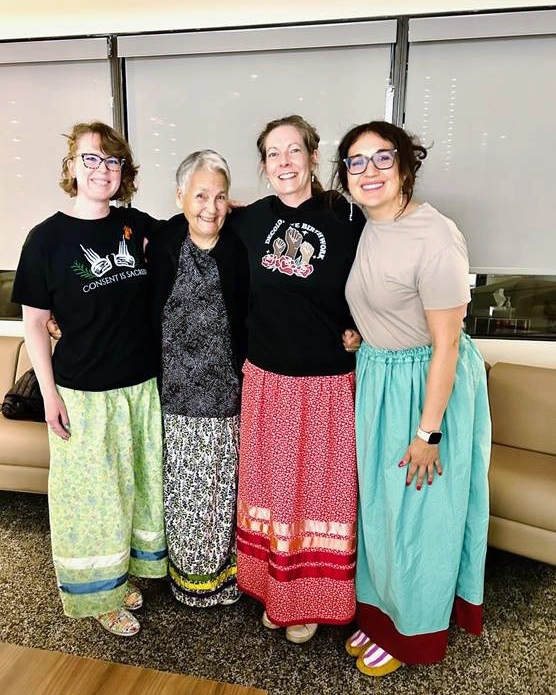
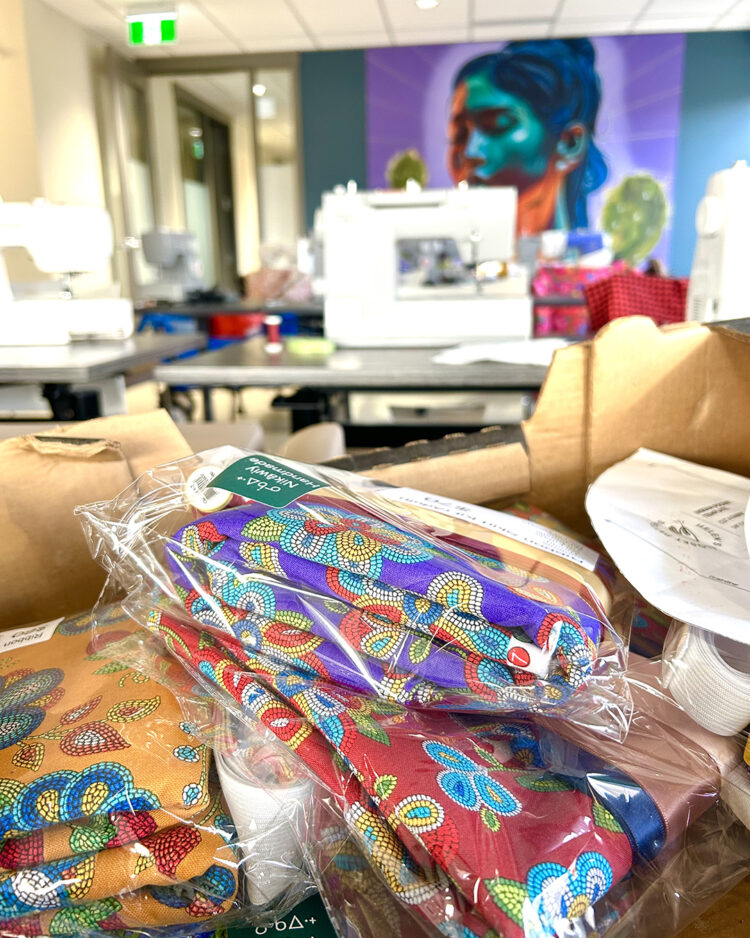
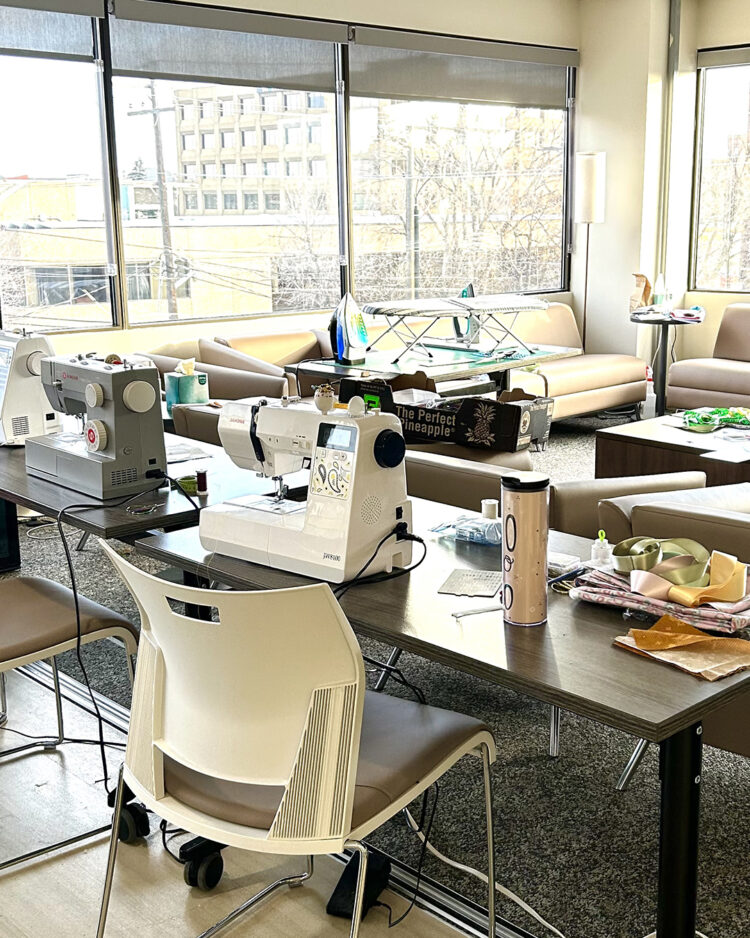
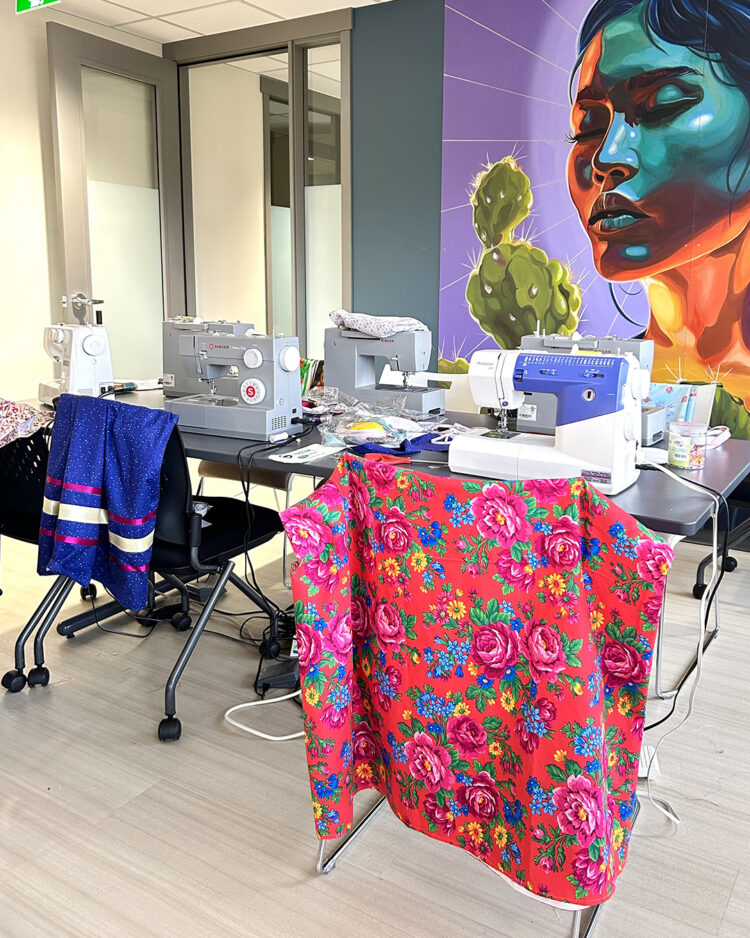
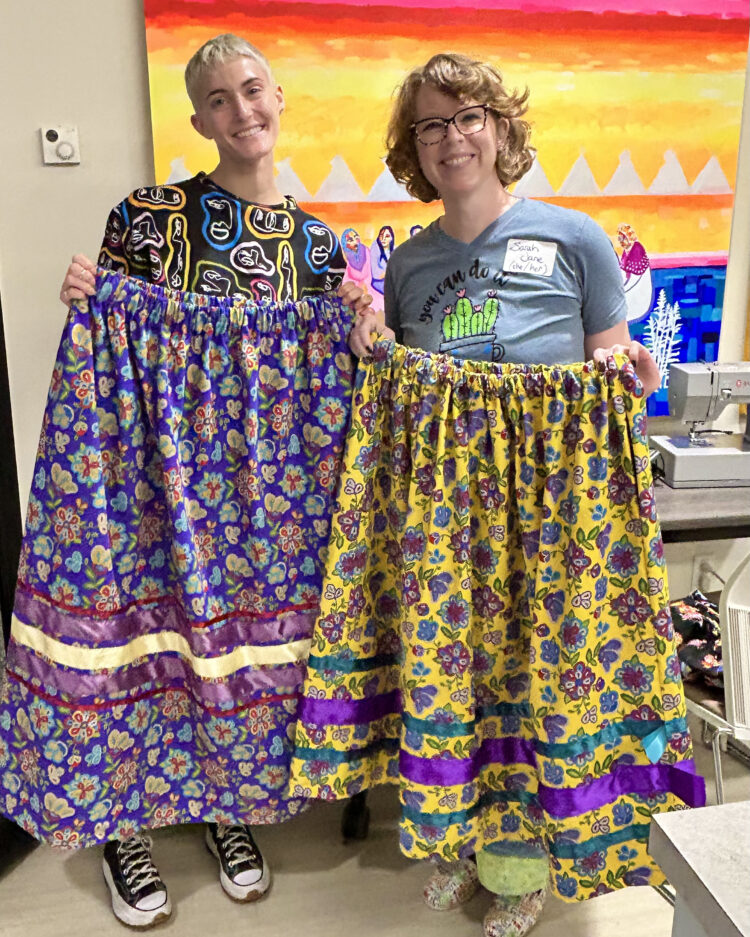
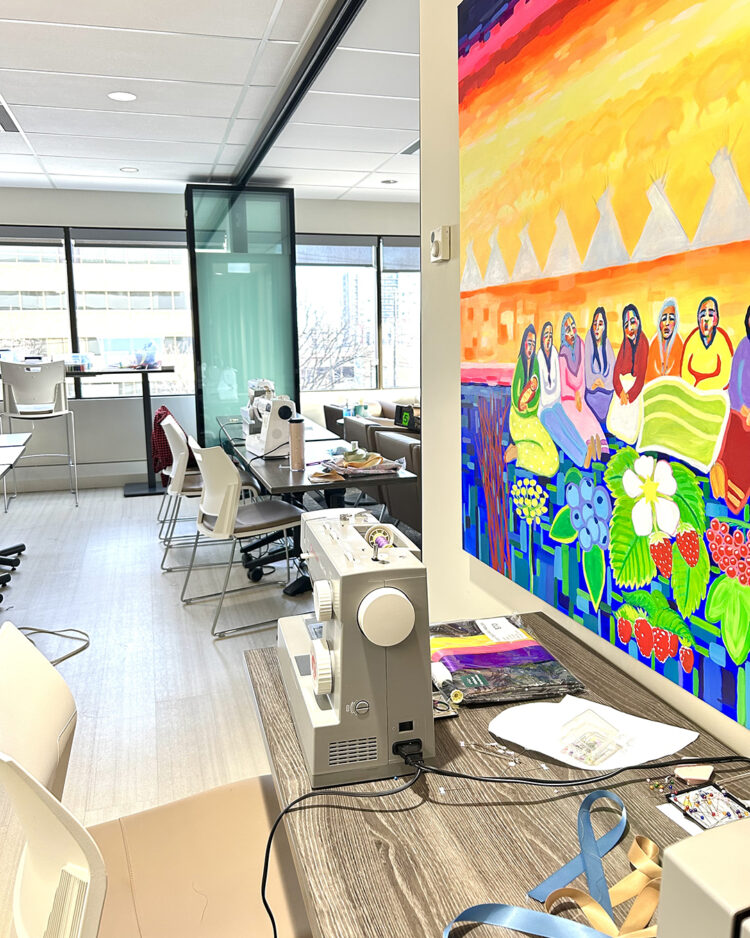
We have also received feedback about the desire for additional opportunities for cultural teachings and connections. In response to this, the SACE team has offered a Ribbon Skirt Workshop for clients and Indigenous community members to participate in at the conclusion of the group.
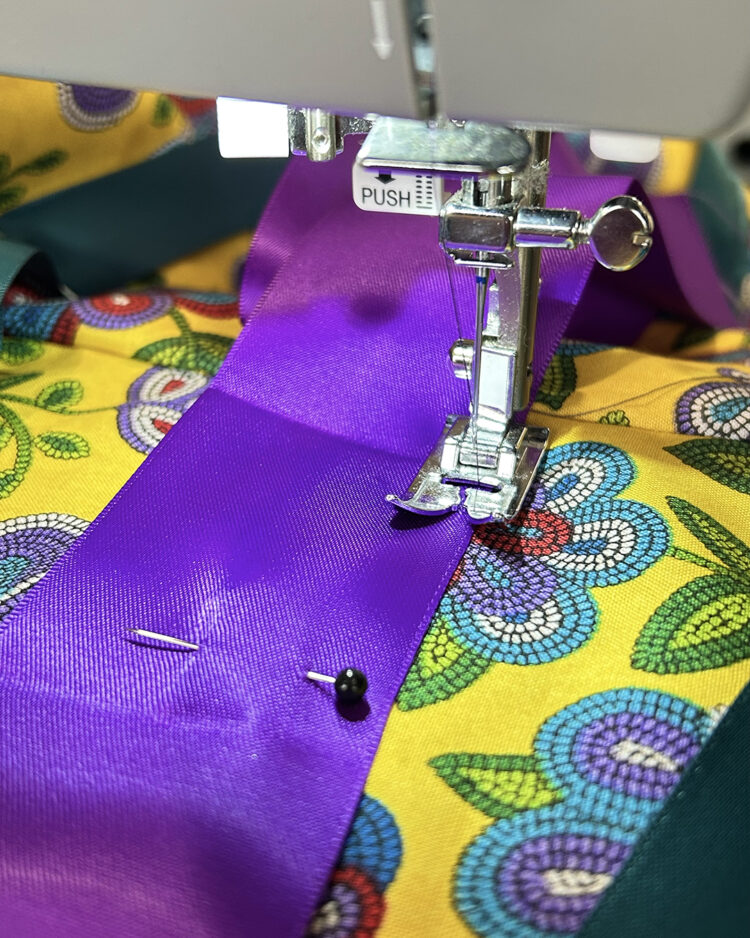
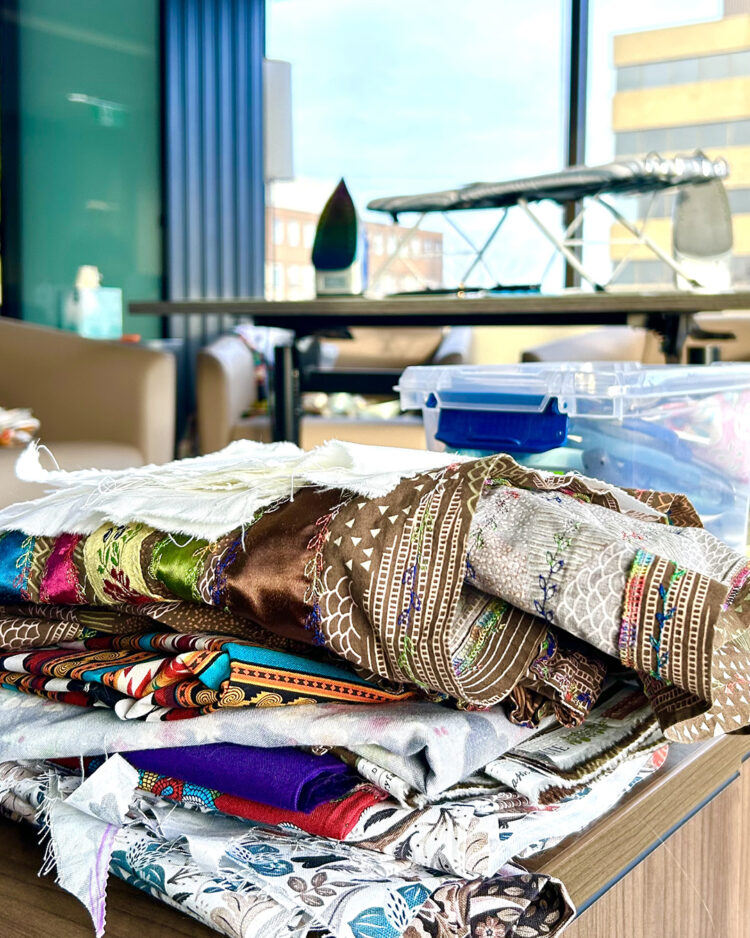
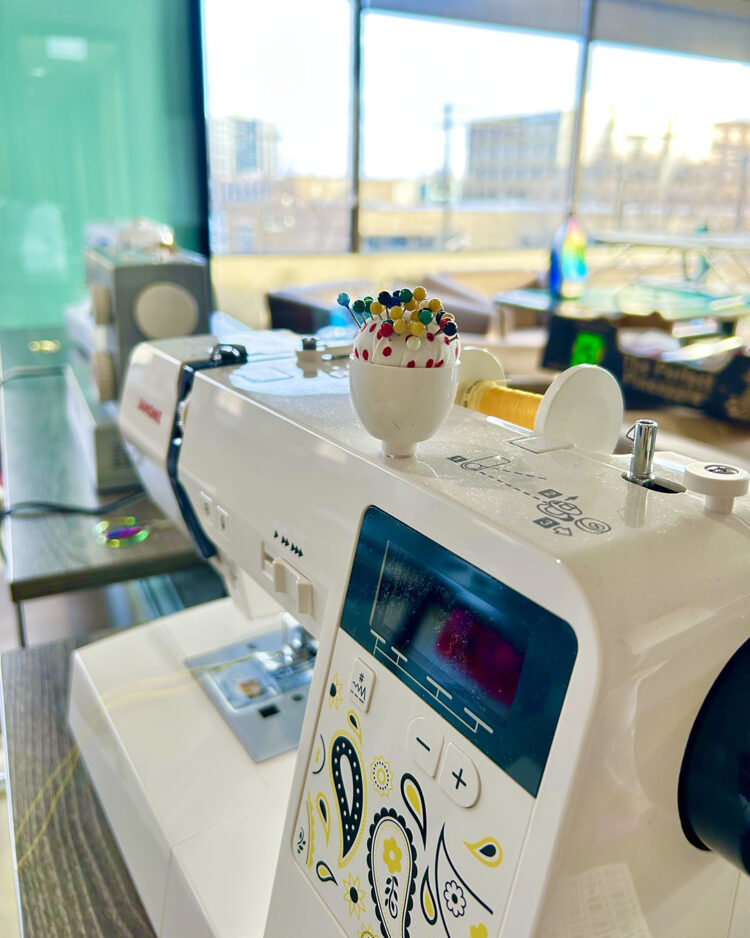
A ribbon skirt is a traditional Indigenous skirt that is worn by Indigenous women and femme-identified folks during ceremony or community events, with some folks wearing them daily to show their connection to community and Creator. Many Indigenous clients at SACE report disconnection from traditional cultural activities and have shared about the barriers that exist in reconnecting with community. As a part of our expansion of wrap-around supports for Wîwîp’son, and in the hopes of reducing these barriers, we collaborated with a local artist, Elder, and knowledge keepers to provide teachings and facilitation of a workshop in which participants learn to make ribbon skirts.
Each day opens with a smudge, a prayer, and teachings on the history of ribbon skirts. This workshop serves as a continued connection for past Wîwîp’son participants, as well as an opportunity for Indigenous women in the community to connect with SACE and culture. Many participants choose to donate a completed skirt to SACE, and we now have ribbon skirts on hand for clients to wear during ceremony, addressing another potential barrier: in the event that a client does not have their own skirt, we can now provide them with one for the pipe ceremony that starts each Wîwîp’son circle.
This workshop is also an opportunity for cross-departmental collaboration, as the Clinical Team Lead and a staff member from Community Engagement attend to support facilitators and participants as needed. As a team, we are grateful to provide these opportunities for cultural connection, safety, and healing for our community.
To become a support line volunteer, prospective volunteers must apply, interview, and then successfully complete our volunteer training program. Spanning more than seventy hours, this program remains one of the most rigorous in Alberta, covering essential modules on trauma, sexual violence, anti-oppression, colonialism, boundaries, technology-facilitated sexual violence, self-care, resourcing, and risk assessment (including child sexual abuse, suicide, and domestic abuse). Support for these incredible volunteers is an important part of what we do as an agency.
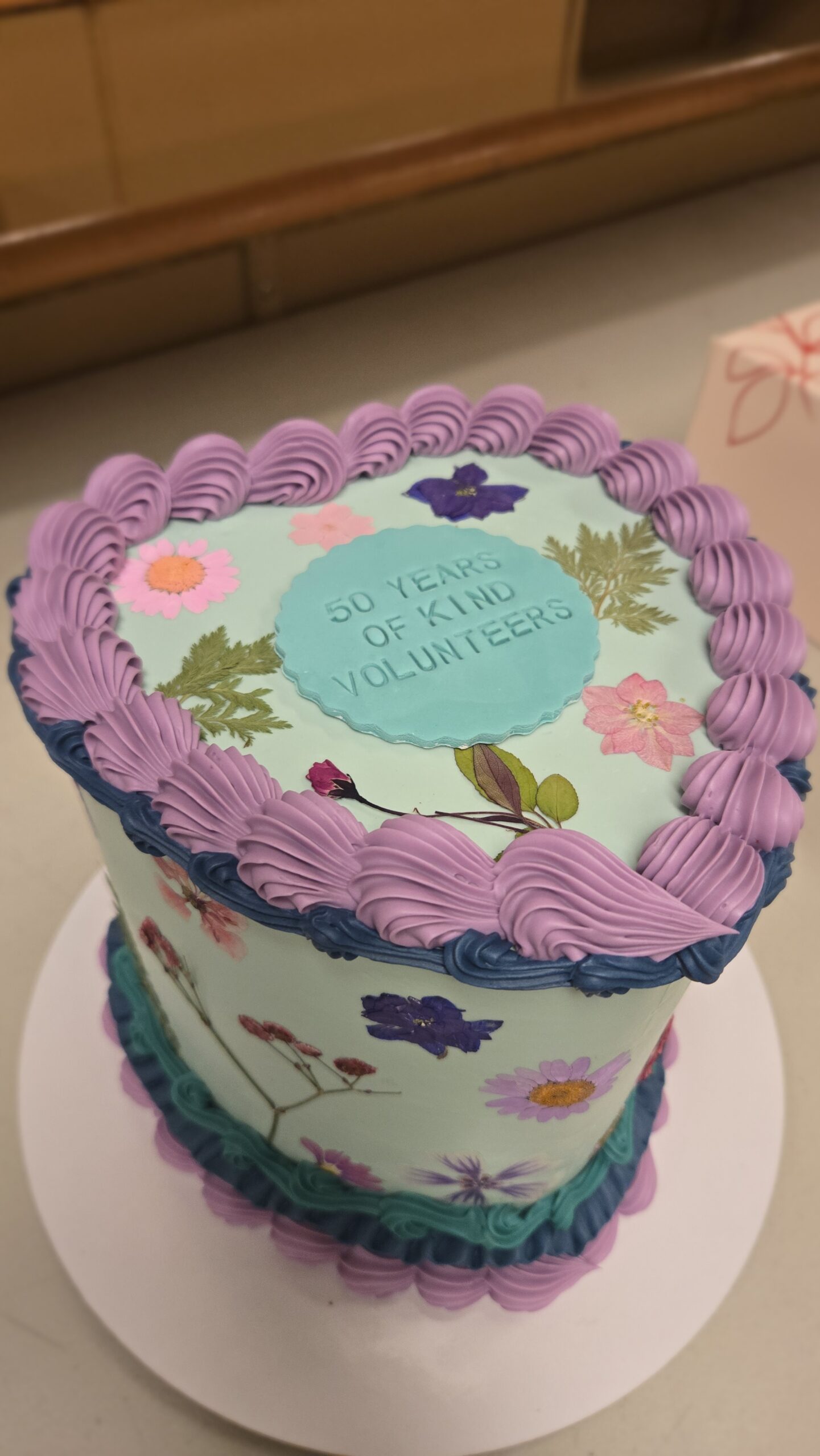
SACE recognized some of our brilliant volunteers at our annual volunteer awards night for 2025-2026.

People were supported through a range of process-based counselling groups and psychoeducation groups through the 2025-2026 year.
SACE groups are delivered based on demand as well as agency capacity.
Runs once per week for 15 weeks with one break week

Who It’s For
Adult women (trans-inclusive) who have experienced sexual abuse in childhood.
Description
ASHA is a closed therapeutic group for adult women (trans-inclusive) who have experienced sexual abuse in childhood. In order to participate in this group, individuals need to have completed individual counselling. This group offers counselling clients the opportunity to continue their therapeutic process in a group setting. Each week focuses on a topic addressing the impacts of sexual violence.
The first part of each group session is spent exploring the topic of the week, and the second half is spent engaging in open circle. Open circle offers participants the space to express how they feel or understand the topic of the evening, or to share about experiences occurring in their day-to-day lives. This group runs once per week for 15 weeks with one break week.
For more information about ASHA, to discuss suitability, or to register for the next available series, please reach out to counselling@sace.ca or call our office at 780.423.4102
Topics Include:
Runs once per week for 15 weeks
Who It’s For
Adult women (trans-inclusive) who have experienced sexual assault as adults.
Description
SASS is a closed therapeutic group for adult women who have experienced sexual assault as adults. The group is designed to provide support, build community and reduce isolation.
In order to participate in this group, individuals need to have completed individual counselling.
For more information about SASS, to discuss suitability, or to register for the next available series, please reach out to counselling@sace.ca or call our office at 780.423.4102
Topics Include:
Runs once per week for 15 weeks with one break week
Who It’s For
2SLGBTQIA+ adults of all genders who have experienced sexual abuse and/or assault, as children or as adults.
Description
This closed therapeutic group is for 2SLGBTQIA+ adults who have experienced sexual violence. Participants must have completed individual counselling related to sexual trauma, whether at SACE or with another counsellor or agency. While the program’s main focus is on supporting processing and healing from sexual trauma, it also provides an opportunity for participants to connect with other people from 2SLGBTQIA+ communities to share intersectional experiences around sexual assault and healing.
For more information about refleQT, to discuss suitability, or to register for the next available series, please reach out to counselling@sace.ca or call our office at 780.423.4102
Topics Include:
Runs once per week for 4 weeks
Who It’s For
Adult individuals of any gender who are on the waitlist to access counselling services at SACE
Description
Skills for Change is a closed psychoeducation group requiring registration. It is offered to adult individuals of any gender who are on the waitlist for counselling services at SACE, and may be accessed without having worked with a counsellor in the past.
Individuals on the waitlist for individual counselling have the choice if they would like to participate in this group, and choosing not to register does not disqualify someone from accessing individual counselling services. Similarly, participating in Skills for Change does not mean that an individual is required or guaranteed to continue on to individual counselling.
If at any time you have questions about accessing services at SACE, or your circumstances change impacting your ability to access support, call and ask to speak to a client care specialist.
Pre-screening
Participants are screened prior to accessing this group; clients presenting with psychosis, active and ongoing addiction, and/or significant suicidality are not recommended for this group.
For more information about Skills for Change, to discuss suitability, or to register for the next available series, please reach out to counselling@sace.ca or call our office at 780.423.4102
Topics Include:
This group is available in an online format
What to expect:
Each week of this group builds on the skills and knowledge of the previous week. Content is focused on emotional regulation, education on the impacts of trauma on the brain, and how this can present behaviourally. Participants develop skills to manage their trauma symptoms and later, when they begin individual counselling, may find they are better equipped to more quickly move onto trauma processing work as they have developed their emotional regulation abilities.
Runs once per week for 10 weeks
For more on the meaning and connections of this name, visit our Wîwîp’son page.
Who It’s For
Indigenous women (Two-Spirit and trans-inclusive) who have experienced sexual abuse and/or assault, as children or as adults.
Description
This closed therapeutic group for Indigenous women (Two-Spirit and trans-inclusive) works to create a safe space to give voice to experiences of sexual abuse or assault, and to feel validated by the experiences of others in their communities. The group was developed in recognition that the experiences of Indigenous women are unique, and processing trauma from sexual assault or abuse needs to involve education about the bigger picture of colonialism and its inter-relationship with sexual violence.
The group’s format includes exposure or introduction to traditional teachings and ceremony, as well as education about trauma and its effect on the brain and body. It also covers skills to self-regulate triggers, and aims to reduce shame, and build self-confidence and self-esteem.
The program commences with an in-house pipe ceremony. The group is co-facilitated by an Elder (Kohkom), an Auntie, and two SACE staff therapists.
Each session begins with a smudge and prayer, and includes an educational component and cultural teaching. A healthy hot meal is provided. In line with the holistic teachings of the four aspects of self, each session and the whole group itself are structured in a way that honours this view of healing.
For more information about Wîwîp’son Healing Circle, to discuss suitability, or to register for the next available series, please reach out to counselling@sace.ca or call our office at 780.423.4102
The four phases of the group are:
Physical: Preparing
Mental: Learning
Emotional: Processing
Spiritual: Moving Forward
An open group that meets once per month between April & December with one break month
Who It’s For
Residents at Buffalo Sage Wellness House who have been directly or indirectly impacted by sexual violence. Please note that this group is not available to community members unless they reside at Buffalo Sage Wellness House.
Description
Topics Include:
Note: Otipaymsowin is a Cree word/teaching about self-sovereignty